The glamour linked with Bollywood draws people from every section of society because it is believed that if you succeed in films, you will live in luxury; however, despite becoming the most celebrated star, one’s destiny can change overnight, and they can lose everything. And the same occurred with the veteran star Bharat Bhushan, who was once regarded as the biggest star of the 1950s. Bharat Bhushan appeared in films like Baiju Bawra, Barsaat Ki Raat, Mirza Ghalib, among several others, and while he earned enough wealth that could have supported him for life, he lost it all after making poor financial choices. He had to sell all three of his bungalows in Bandra, one of which was the famous mansion named ‘Aashirvaad’, which was later owned by stars like Rajendra Kumar and Rajesh Khanna.
Bharat Bhushan’s films still inspire Ranveer Singh
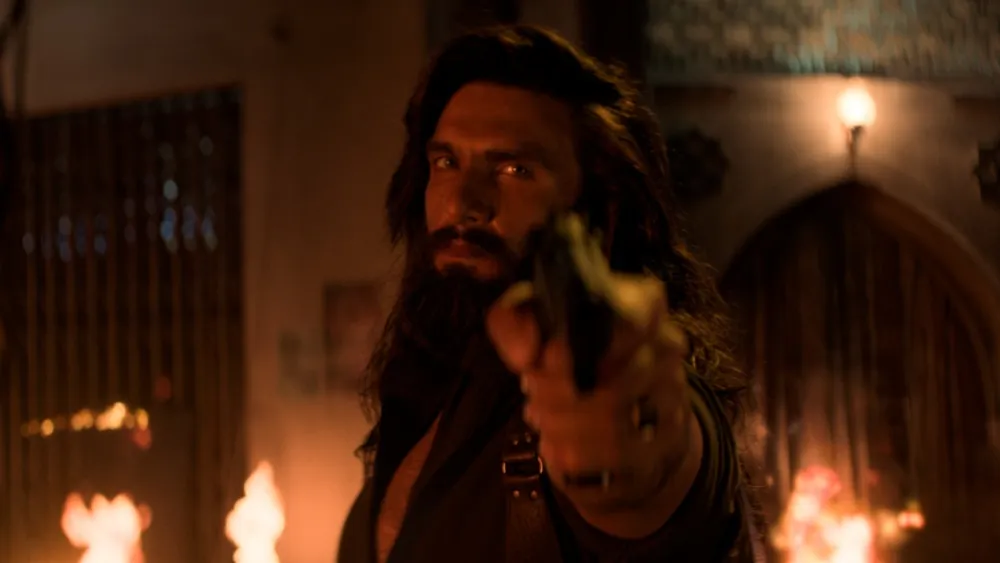
Bharat made his debut in 1941 with a film called Chitralekha, but it was in the year 1952 that his fame soared when he appeared in Baiju Bawra and Anand Math. Baiju Bawra continues to enjoy a loyal fan base as Sanjay Leela Bhansali has been planning to remake the film for several years now. Reportedly, he wanted to cast Ranveer Singh in the lead role, but the project never materialised. The 1960 hit Barsaat Ki Raat, where he also co-wrote the screenplay was another of his major hits, and such was the popularity of this film that more than six decades later, the film’s song “Na To Karavan Ki Talash Hai” was recreated for Dhurandhar.
His contemporaries included stars like Raj Kapoor, Meena Kumari, Dilip Kumar, Nargis, Madhubala and his name was counted in the same league at that time, but circumstances changed quickly after Bharat Bhushan decided to invest his own earnings into producing films. Back in those days, the film industry was financed by those who worked in cinema. There was no corporate backing, bank funding was not involved so there was a genuine risk of losing all of the money that one had invested in a movie. The concept of music rights, satellite rights, OTT rights did not exist at that point as films were only screened in cinema halls, which were sparsely spread across the country. As the Hindi film industry gradually adapted to corporate systems and studios emerged, it became more professional and a safer business venture.
Bharat continued making one gamble after another, and started losing a major portion of the wealth that he had accumulated by then. The unsuccessful films affected his reputation as an actor as well, as now the prominent filmmakers of the film industry were unwilling to cast him. To survive, he sold his houses, his cars, and purchased a flat in Mumbai’s Malad area, which was considered to be on the outskirts in those days. But despite all of this, he didn’t stop working. In fact, according to his daughter Aparajita Bhushan, he was a man of integrity so he continued to do whatever work he received, even if they were smaller blink-and-miss appearances.
When Amitabh Bachchan saw the veteran star at a bus stop
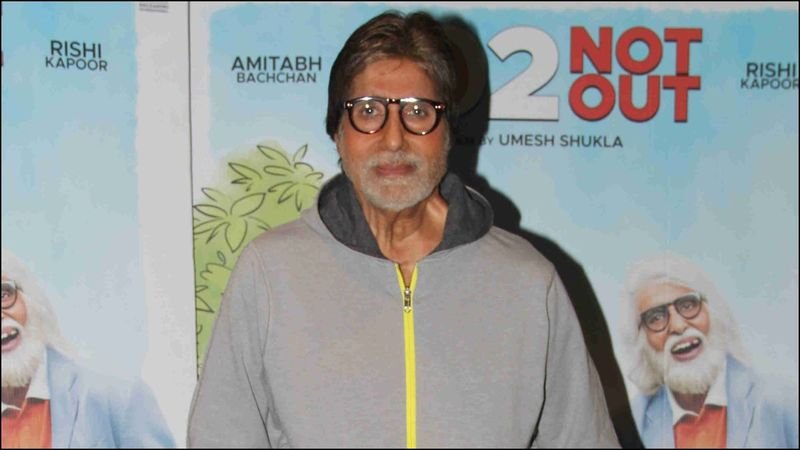
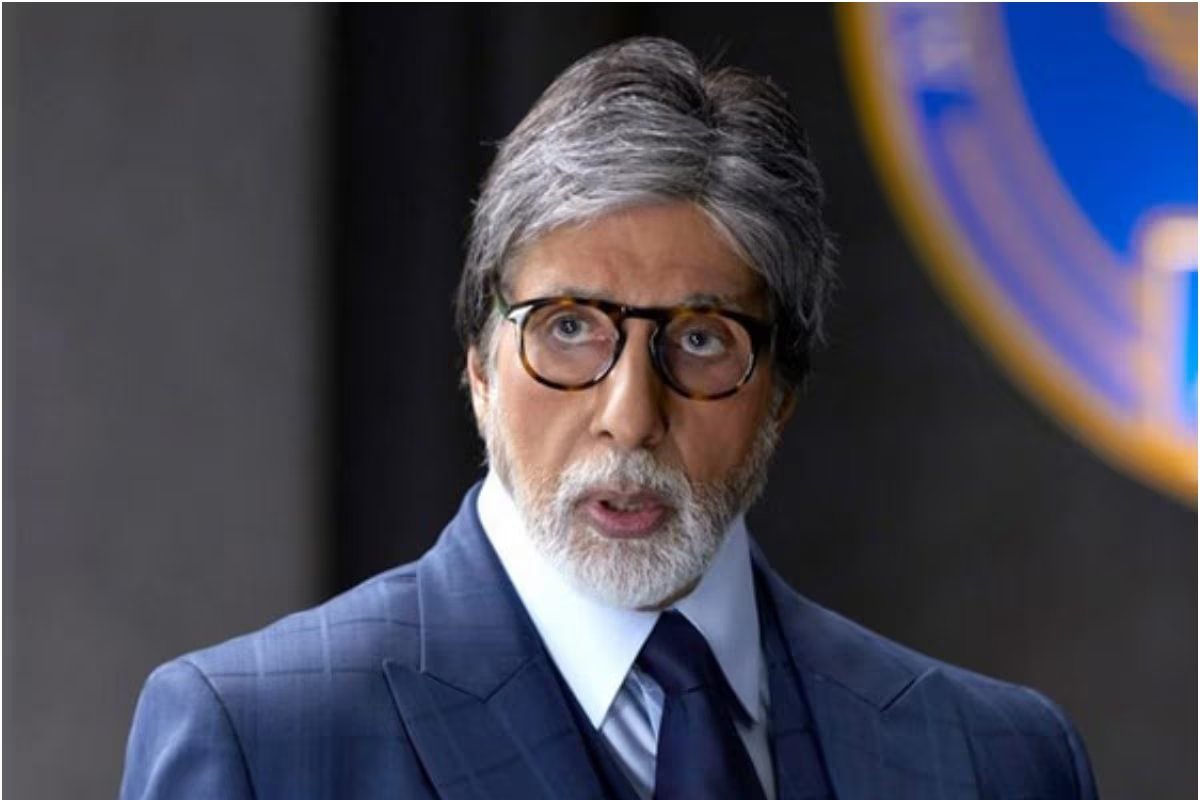
It was during this period of his life when Amitabh Bachchan once spotted him at a bus stand. The veteran star was standing in a queue to board a bus, and Amitabh was stunned to see how dramatically his fortunes had changed. Big B took to his blog in 2008 to share that memory. “As I drove by Santa Cruz one morning for work I saw Bharat Bhushan, the great romantic heartthrob of the 50s, hero of some of the most successful musicals of the times, standing in a queue at a bus stop! An ordinary citizen. Part of the crowd. Alone, unnoticed. No one recognising him. No one knowing who he was,” he wrote.
Bachchan wondered if he should stop his car and drop him to his destination but refrained, because he didn’t want to embarrass Bharat. “I wanted to stop and ask him into the car to drop him to his destination, but I could not gather enough courage. I feared I would embarrass him. And I drove on. But that visual has stayed with me and will stay with me forever. It could happen to anyone. To any one of us,” he wrote.